
WHO OWNS YOUR MUSIC? WHY FAME DOESN’T GUARANTEE CONTROL

Many artists assume that success automatically brings control. Legally, that is not the case. Ownership is determined by contracts signed, often early in a career, not by popularity, talent, or contribution. Some of the most recognised creatives in the world do not fully own the work that made them famous. Success can increase visibility, income, and influence, but it does not automatically change ownership rights.
At the beginning of a career, bargaining power is usually limited. In exchange for funding, exposure, or opportunities, rights may be transferred without fully understanding the long-term implications. Years later, when a catalogue becomes valuable, those early agreements continue to govern control. The legal position rarely changes simply because the artist has become successful.
Ownership in the creative industry is also layered and complex. Different rights may be held by different parties, including:
Master recording rights
Publishing and composition rights
Image and likeness rights
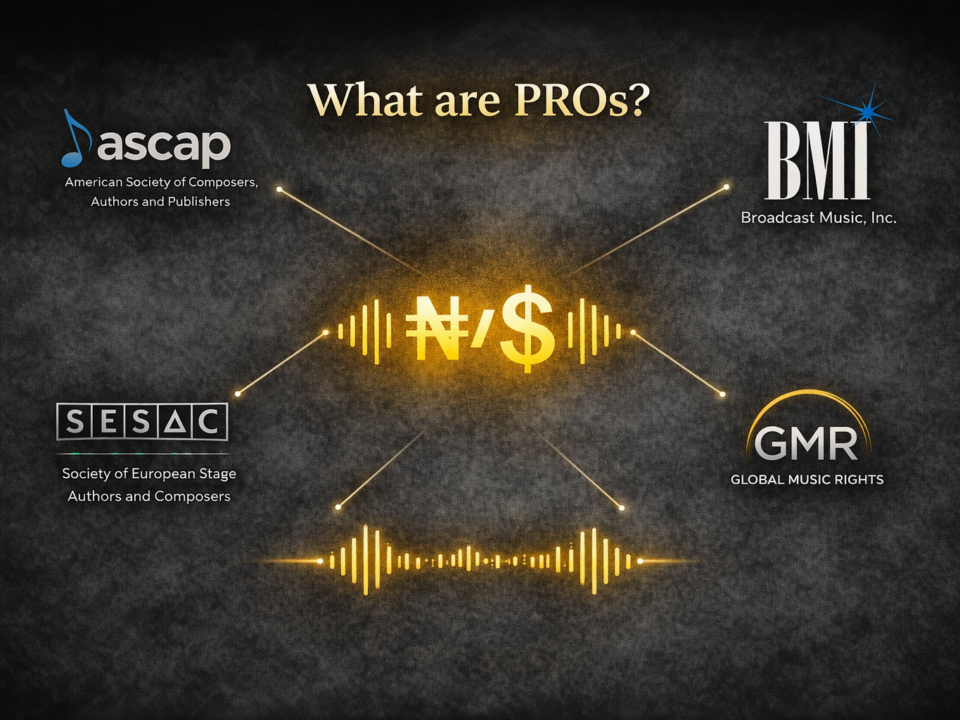
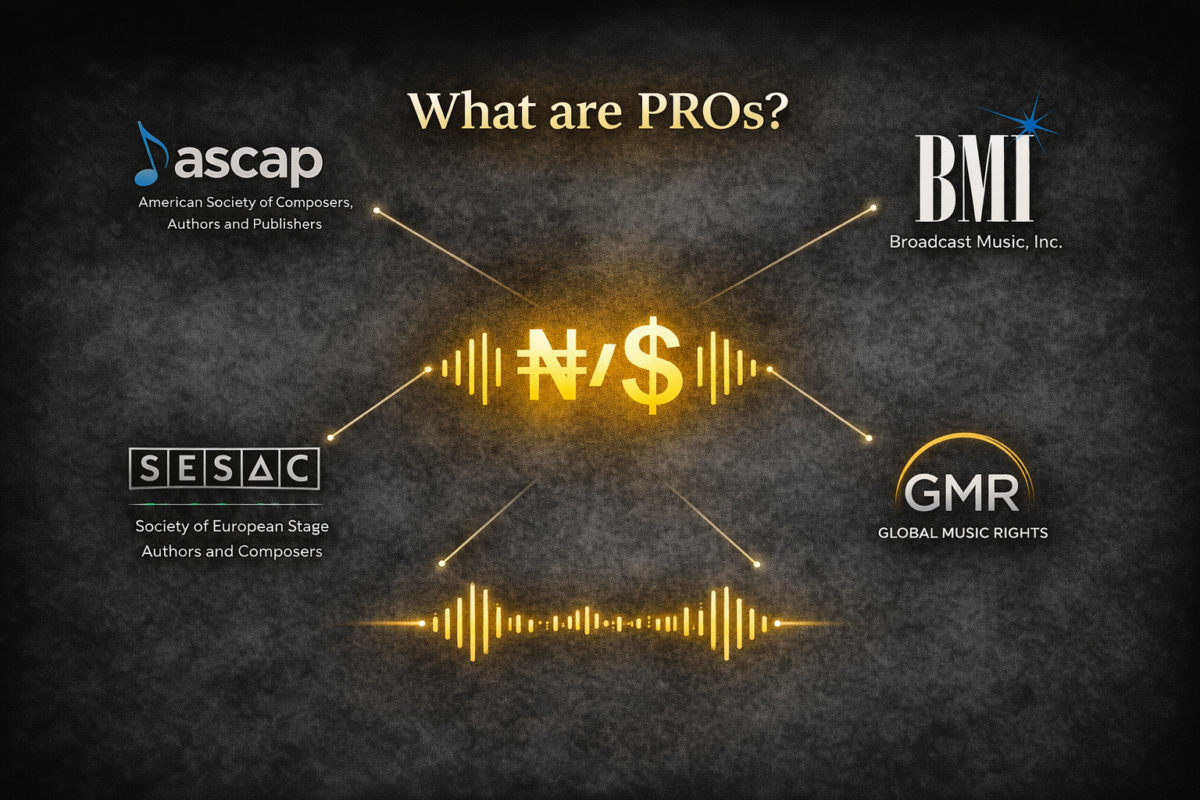
Performance rights
Distribution rights
An artist may control one layer while having limited or no authority over others.
Importantly, earning income from creative work does not necessarily mean having control over it. Decision-making authority determines how a work can be used, including licensing approvals, catalogue sales, brand partnerships, synchronisation opportunities, and derivative works. True leverage comes from control and decision rights, not just royalties.
As careers grow, artists often gain influence, audience reach, and commercial value. However, where rights were permanently assigned earlier, renegotiation may be difficult, costly, or legally impossible. The law protects agreements that were validly entered into, not whether the outcome later appears fair.
Few creatives consider long-term ownership planning, yet these decisions determine whether creative output becomes generational wealth or temporary income. Key considerations include:
Ownership structures after retirement
Estate transfer and inheritance planning
Catalogue valuation as a financial asset
Succession and licensing strategies
Corporate entities used to hold intellectual property
Many artists only seek legal advice after disputes arise. In reality, the most important legal decisions occur much earlier, when contracts are first negotiated and rights are first assigned.
Fame increases visibility. Contracts determine control, and artist ownership rights determine long-term power.