Michael Jackson’s catalogue still generates millions years after his passing. Here’s how proper estate planning can protect and grow your music legacy.
A royalty dispute over Tyla’s hit song “Water” shows why split sheets and proper agreements are critical in music. Here’s what every creative needs to know.
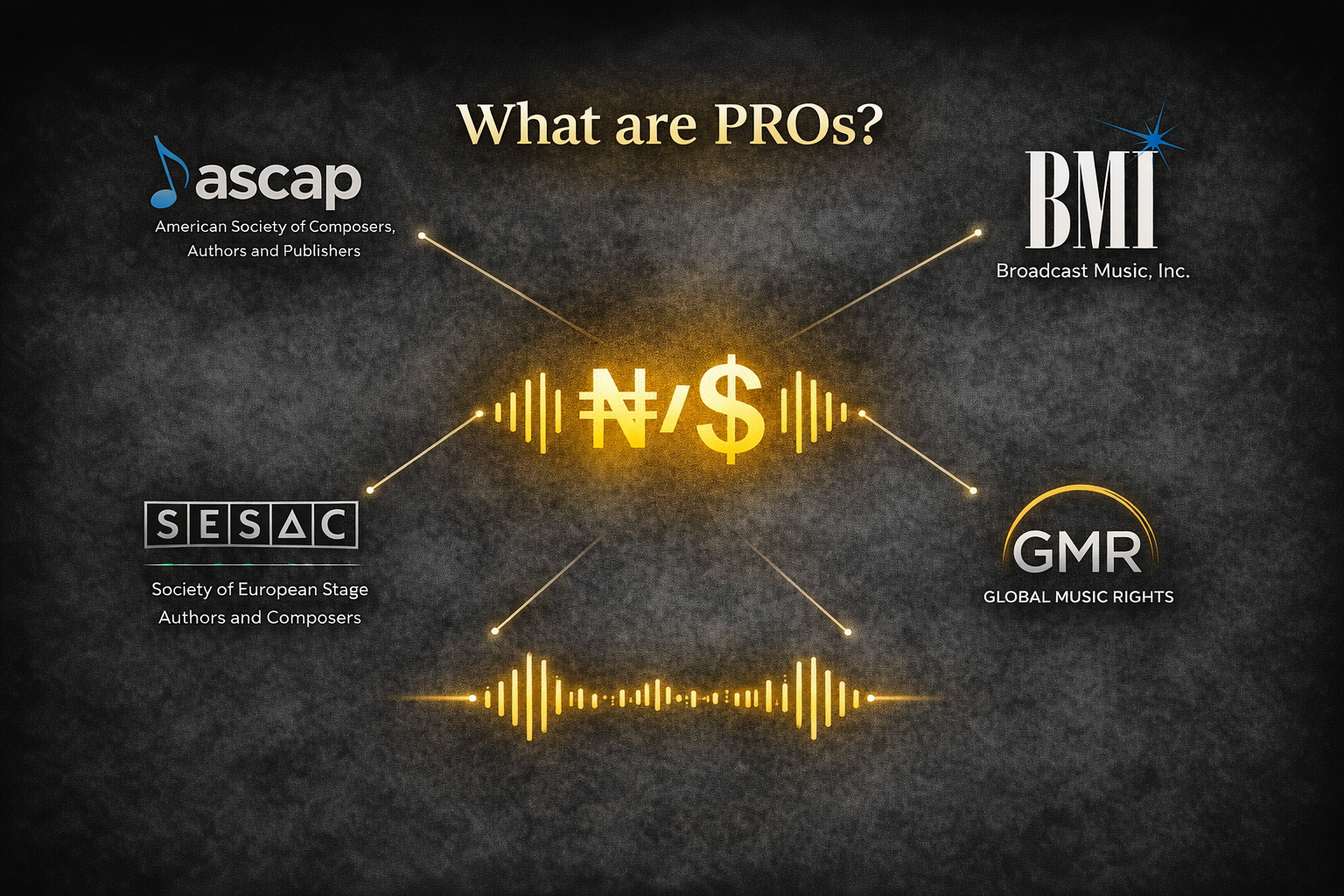
Performing Rights Organizations (PROs) play a critical role in ensuring songwriters get paid when their music is performed publicly. Here’s how they work.
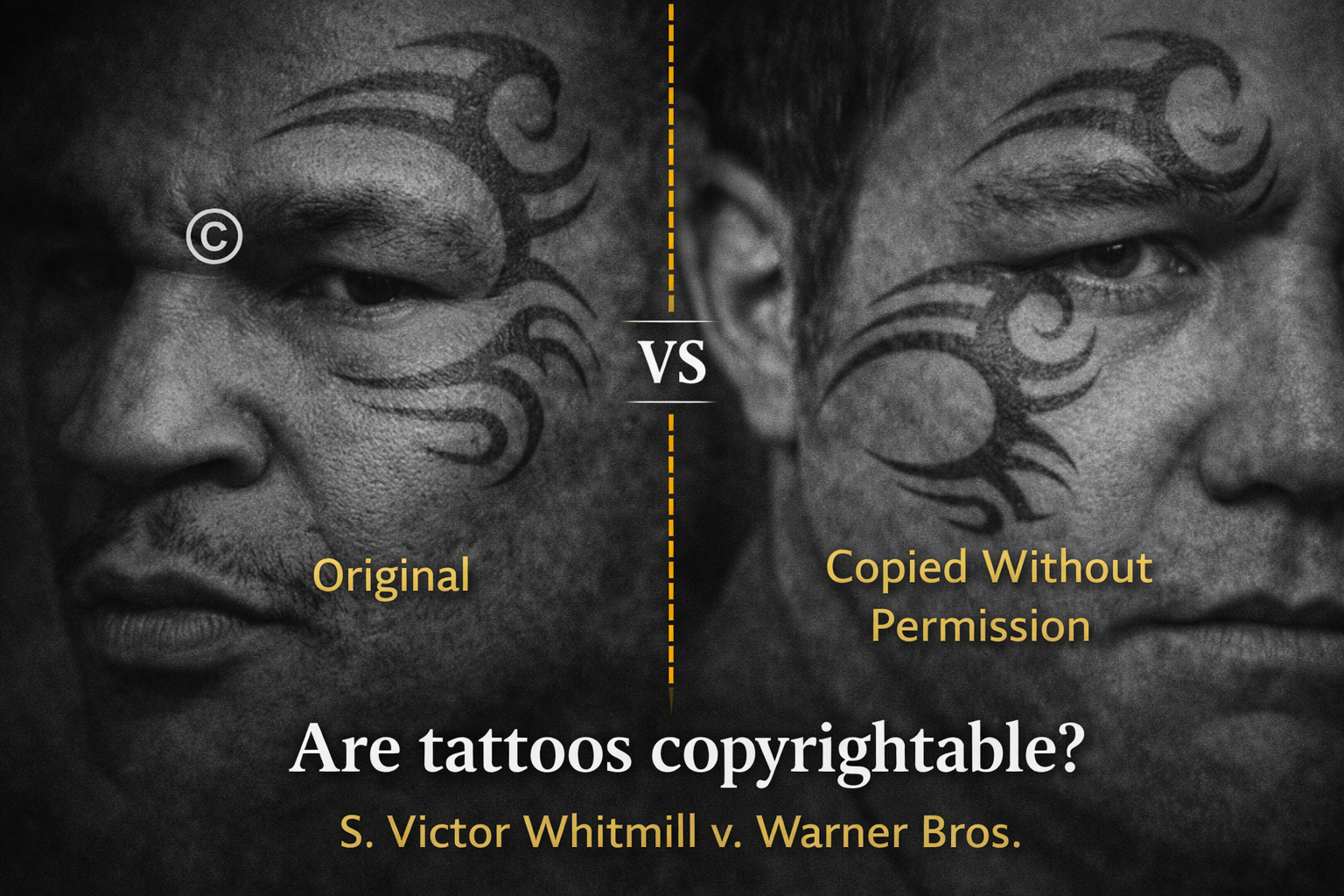
A lawsuit over Mike Tyson’s tattoo nearly blocked a Hollywood film release. Here’s how Whitmill v. Warner Bros changed how the law views tattoos and copyright.
Beyoncé’s attempt to trademark the name “Blue Ivy” wasn’t as straightforward as it seemed. This case reveals how trademark law works — and why prior use can outweigh even global fame.
Most artists focus on their royalty percentage — 25%, 30%, even 50%. But the real question is: 25% of what exactly? This article breaks down how gross revenue and net profit affect what you actually earn from your music.
Retention clauses in publishing agreements determine how long a publisher continues to control songs after a contract ends. Understanding this clause is essential for artists and songwriters who want to manage their catalogues and future opportunities effectively.
Many artists focus on the sound of a song but overlook the structure behind it. Before releasing music this year, here are five important legal steps to protect your work, your revenue, and your collaborations.
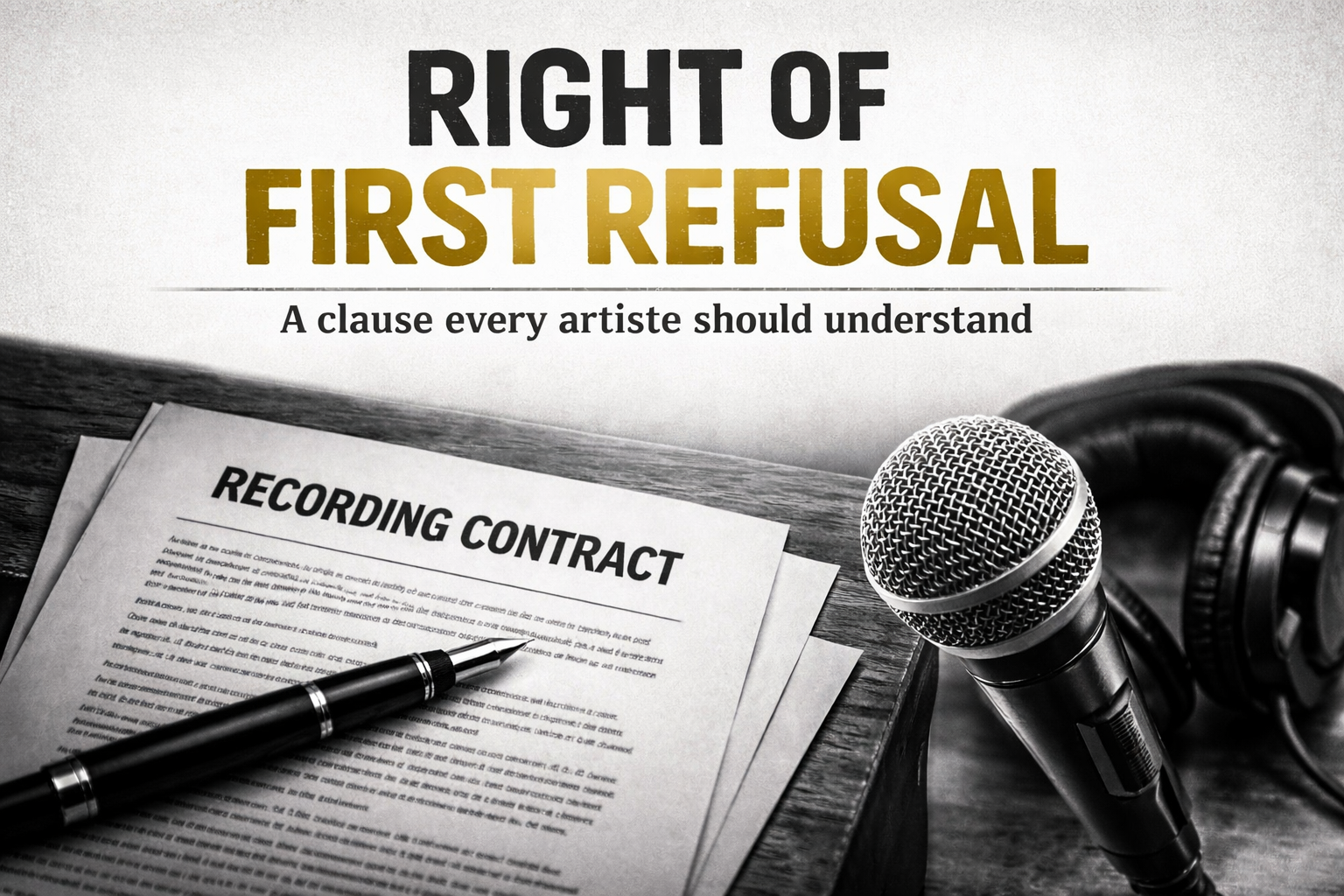
Recording contracts often contain clauses that can significantly shape an artiste’s career. One of the most important is the Right of First Refusal (ROFR) — a provision that allows a current label to match offers from other companies before the artiste can accept them. Understanding how this clause works is essential before signing any agreement.